
Marilyn Monroe's Best Colours: Her Colour Analysis Result

Updated: Jul 15

Marilyn is one of those celebrities I've always wanted to know everything about and I can count only a handful like that. With Marilyn, the more you learn, the more you want to discover. Every detail seems to open another door.
Her life was full of ups and downs, misfortunes, and brief, fragile moments of happiness, often overshadowed by struggle. Yet through all of this, her image became one of the most carefully crafted and instantly recognisable in modern culture.
That's exactly why I've always wanted to understand what colour season Norma Jeane truly belonged to, especially since her public image was so impeccably curated. The "Marilyn Monroe" the world knows was not an accident. It was built layer by layer, colour by colour, light by light. And beneath all that artifice, there was a very real, very specific natural colouring that made the illusion work so beautifully. So, what color season was Marilyn Monroe? Let's analyse her appearance together.
Find your best shades with our free color analysis quiz:
Norma Jeane's Early Appearance: What Did Marilyn Monroe Actually Look Like?

Before the platinum hair, the studio lighting, and the carefully orchestrated glamour, there was Norma Jeane and her natural colouring tells a very different story from the icon we think we know.
Marilyn Monroe's Natural Hair Colour
According to photographs and memoirs, young Marilyn had light brown hair with a reddish tint that became especially noticeable in sunlight. This warmth in her hair is often overlooked because of how strongly we associate her with platinum blonde but it was there from the very beginning.
In childhood and early teenage photographs, her hair appears soft, warm, and almost honeyed when the light catches it. The decision to go platinum was a deliberate artistic choice, not a reflection of her natural colouring. And yet, paradoxically, platinum worked on her in a way it doesn't on everyone because her warm, luminous skin tone prevented the look from becoming harsh or cold.
What Colour Were Marilyn Monroe's Eyes?
Marilyn Monroe's eyes are perhaps her most misunderstood feature. Across photographs and films, they appear to change constantly. In early images, they often look brown, which has led many people to assume that her eyes were dark.
In reality, her eyes were blue but not a cold or piercing blue. They were more likely a warm blue, enriched with speckles of other colours: gold, grey, and sometimes even greenish tones. They were never the icy or steel-blue shade that stops you in your tracks. Instead, they were soft, sunlit blues that felt approachable rather than sharp.
Eyes with mixed colouring often behave like chameleons. Depending on lighting, clothing, makeup, and film quality, they can appear darker, warmer, or entirely different from one photograph to another. Marilyn's eyes were exactly like that and it's part of what made her so endlessly fascinating on camera.
Marilyn Monroe's Skin Tone and Complexion
Her overall complexion, even in the earliest years of her life, was remarkably radiant. There was a warmth to her skin that felt open and inviting, reading as approachable and luminous.
This quality formed a core part of her natural, irresistible charm. It was a complexion that felt perfectly at home on sandy beaches, in the sun-washed deserts of California, or inside the warm-toned interior of her beloved "cute Mexican" house. The warmth was always there, long before any makeup artist touched her face.
What Is Colour Analysis? Understanding the Seasonal System
Before we can place Marilyn into her correct colour category, it helps to understand what colour analysis actually is and why it matters for everyone.
The Origins of Colour Analysis
Colour analysis is the practice of identifying which shades, tones, and colour families naturally harmonise with your unique complexion: your skin tone, eye colour, and natural hair colour.
The traditional system, developed in the 1980s, divides people into four seasonal categories:
Spring — warm, light, and bright. Golden undertones, light eyes, and hair that catches the light easily.
Summer — cool, light, and soft. Fair or ashy colouring with cool or neutral undertones.
Autumn — warm, deep, and muted. Rich, earthy tones suit those with golden or olive skin and deeper hair.
Winter — cool, deep, and clear. High contrast colouring, cool undertones, and striking features.
The 12-Season Expansion
Over time, the original four seasons expanded into twelve, with subcategories like True Spring, Soft Summer, Dark Winter, and Bright Spring to account for the enormous variation within each seasonal category. This was a step in the right direction but still left many people caught between types, or finding that only parts of their seasonal palette actually suited them.
Why Traditional Colour Analysis Falls Short
The seasonal system was groundbreaking when it was created, but our understanding of personal colouring has evolved considerably since then. The modern world is more diverse, more nuanced, and far less willing to accept a one-size-fits-most approach.
Many people who undergo traditional colour analysis find the experience frustrating. They're told they're a Soft Autumn but the colours don't quite work. Or they sit on the boundary between Summer and Winter and neither palette feels fully right. This isn't because colour analysis doesn't work — it's because the traditional system wasn't built with enough precision to capture the full spectrum of human colouring.
Why We Created the Zazu Feu Colour System
This is exactly why we built something different.
Six Colour Flowers Instead of Four Seasons
The Zazu Feu system is built around six Colour Flowers — each representing a distinct and precise combination of skin tone depth, undertone, and overall harmony. Rather than placing you into one of four broad seasonal categories, your Colour Flower gives you a palette built specifically around your unique complexion.
The six Colour Flowers are:

Periwinkle -
Light & Cool
Colour Flower
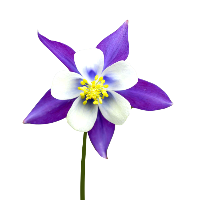
Columbine -
Mid-tone & Cool
Colour Flower

Hellebore -
Deep & Cool
Colour Flower

Buttercup -
Light & Warm
Colour Flower

Marigold -
Mid-tone & Warm Colour Flower

Rudbeckia -
Deep & Warm
Colour Flower
Find your Colour Flower with our free color analysis quiz:
What Makes Zazu Feu Different From Traditional Color Analysis
Where traditional analysis focuses primarily on the warm/cool axis, the Zazu Feu system gives equal weight to depth (how light or deep your overall colouring is) and to the specific quality of your warmth or coolness. This produces a result that's more precise, more personal, and more immediately useful when you're standing in front of a rack of clothes or a makeup counter.
Knowing your Colour Flower doesn't just tell you whether to reach for warm or cool shades. It tells you exactly which version of those shades will make your complexion glow and which will do nothing for you, even if they fall within your general seasonal category.
What Colour Season Was Marilyn Monroe? The Zazu Feu Answer

Why the Winter Analysis Is Wrong
Marilyn Monroe is frequently placed in the Winter category by traditional colour analysts and it seems easy to see why. The platinum hair and porcelain skin create an image of high contrast that reads as classically Winter. But this analysis is based on her manufactured image, not her natural colouring.
Read also:
Her natural hair was warm brown with reddish tones. Her eyes were soft, warm blue rather than cool. Her skin had a luminous golden warmth to it. None of these point to Winter, which requires cool undertones throughout.
Marilyn Monroe's Colour Flower: Marigold
Within the Zazu Feu system, Marilyn fits best into the Marigold category — mid-tone and warm.
Marilyn was neither too dark nor too light, but definitely warm-toned. Her colouring sits in that golden middle ground where warmth is present without heaviness, and brightness exists without sharp contrast. This balance is what allowed her to wear such a wide range of warm mid-tones so successfully.
Why not Rudbeckia? Marilyn's skin lacks the depth and richness required for Rudbeckia, which needs more densit
y and shadow to hold very deep colours comfortably.
Why not Buttercup? Her colouring isn't light or delicate enough for Buttercup. Pastel warmth alone would have washed her out — she needed colours with more substance and grounding to them.
Marigold sits exactly in the middle: warm, lively, and grounded in the mid-range.
What Colours Suited Marilyn Monroe Best?
The Colours That Made Her Glow
This is why Marilyn looked so exceptional in colours that might overwhelm a Buttercup but still felt harmonious on her:
Tomato red — warm, vivid, and grounded. Not the blue-toned reds of Winter, but rich, orange-leaning reds that harmonised with the warmth of her skin.
Pistachio green — soft, warm, and luminous. This kind of mid-warm green reflected the golden tones in her complexion rather than competing with them.

Warm lilac — not the cool lavender of a Summer palette, but a slightly golden, dusty lilac that sat beautifully against warm skin tones.
Glowing shades of orange — from soft peach to deeper terracotta, orange shades echoed the natural warmth in her skin and hair in a way that felt harmonious.
What Marilyn Instinctively Knew
Marilyn instinctively wore her colours. You can find countless photographs of her dressed in oranges, golden reds, creamy yellows, and warm greens. Even when the silhouette was simple (and she often preferred minimalism in her everyday style) the colour itself did the work.

These hues refreshed her complexion, softened her features, and amplified that signature glow that cameras loved so much.
The Colours That Didn't Serve Her
The colours that worked least well on Marilyn were the cool, high-contrast combinations that her platinum blonde persona suggested: stark white against cool grey, or ice blue against silver. These worked for the image of Marilyn because they created visual drama. But in more candid, natural photographs, the warm colours are where she truly comes alive.
What Can We Learn From Marilyn's Colour Choices?
In many ways, the success of the Marilyn Monroe image wasn't just about glamour or seduction. Her carefully chosen colours worked with her natural warmth, allowing her to appear luminous, alive, and unforgettable, even long before platinum blonde hair and studio lighting completed the transformation.
The lesson for all of us is simple: when you wear colours that genuinely harmonise with your natural colouring, you look more alive, more yourself, and more effortlessly put-together. Not because the colours are expensive or fashionable, but because they belong to you, right.

Curious about other celebrities? Discover about:
If you'd like to find out whether you're a Marigold or any other Colour Flower I offer professional online color analysis available worldwide. You can learn more about all the colour analysis services I offer here:
Not sure yet?
You can also read my guide on how to do your own colour analysis at home as a starting point.
Zazu Feu is a colour analyst based in the UK, offering online colour analysis sessions using the unique Colour Flowers system.
Frequently Asked Questions
What color season was Marilyn Monroe? In the traditional seasonal system, Marilyn is often placed as a Winter due to her platinum blonde image and high contrast appearance. However, her natural colouring — warm brown hair with reddish tones, soft warm blue eyes, and a luminous golden complexion — points clearly to a warm mid-tone type. In the Zazu Feu system, she is a Marigold.
What color were Marilyn Monroe's eyes? Marilyn Monroe's eyes were blue, but a soft, warm blue rather than a cool or piercing shade. They contained flecks of gold, grey, and green that made them appear different colours depending on the light and what she was wearing — classic chameleon eyes that are common in warm-toned people.
What was Marilyn Monroe's natural hair colour? Marilyn's natural hair was light brown with a warm reddish tint, especially visible in sunlight. The platinum blonde she became famous for was an entirely artificial creation — a deliberate artistic choice rather than a reflection of her natural colouring.
What colours looked best on Marilyn Monroe? Marilyn looked most alive in warm, mid-tone colours: tomato red, pistachio green, warm lilac, creamy yellows, and glowing shades of orange. These shades harmonised with the natural warmth in her skin and hair, making her complexion glow in a way that cool colours never quite achieved.
What is the Marigold colour type? Marigold is one of the six Zazu Feu Colour Flowers — the mid-tone warm type. Marigolds have warm undertones throughout their colouring, sitting in the golden middle ground between light and deep. They look best in warm, lively shades with real substance: rich oranges, tomato reds, warm greens, golden yellows, and mid-tone earthy neutrals.

