
Hair Colour Analysis: What Hair Colour To Choose If You Don't Know


Choosing a new hair colour should feel exciting. Instead, it usually feels like standing in a supermarket aisle staring at forty shades of brown, hoping one of them will look like the Pinterest photo and not like a mistake you'll have to grow out for six months. The problem is that most hair colour advice is based on vague rules, something like "go warmer if you have warm skin" without actually explaining what that means for you. That's where colour analysis comes in.
If you know your colour season or your Colour Flower, you already have the answer.
Zazu Feu Colour Flowers Representing Different Complexions, Skin Tones and Beauty

Periwinkle -
Light & Cool
Colour Flower
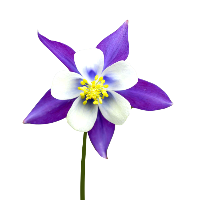
Columbine -
Mid-tone & Cool
Colour Flower

Hellebore -
Deep & Cool
Colour Flower

Buttercup -
Light & Warm
Colour Flower

Marigold -
Mid-tone & Warm Colour Flower

Rudbeckia -
Deep & Warm
Colour Flower
If you don't, this post will walk you through how to get there — and if you'd like to discover yours properly, you can always do your own colour analysis at home as a first step.
Does Hair Colour Actually Matter That Much?
Colour analysis matters more than most people realise. Your hair frames your face every single day, which means the tone of your hair is constantly either working with or against you.
The right hair shade makes your skin look clearer, your eyes more defined, and your features more harmonious. The wrong shade can make you look washed out, tired, or just slightly off in a way that's hard to pinpoint.
Platinum blonde might look extraordinary on one person and completely drain another. That difference comes down to undertone, depth, and even contrast. They three determine your best hair colour.
What Is Hair Colour Analysis?
Hair colour analysis is simply applying the principles of colour analysis to your hair choices. Rather than picking a shade because it's trending or because you liked it on a celebrity, you choose based on what actually harmonises with your natural colouring.
This means looking at:
Your undertone — whether your skin has warm (golden, peachy, yellow) or cool (pink, red, bluish) tones. This is the most important factor. Warm undertones call for warm hair shades; cool undertones call for cool ones. Getting this wrong is the most common reason a hair colour looks "almost right" but never quite lands.
Your depth — how light or dark your overall colouring is. This tells you roughly where on the spectrum to stay. Going dramatically lighter or darker than your natural depth almost always requires more upkeep and can look less natural.
Your contrast — the difference between your skin, hair, and eyes. High contrast colouring (think dark hair against lighter skin, or very vivid eyes) can carry more dramatic hair choices. Lower contrast colouring tends to look better with hair that doesn't create a sharp divide from the face.
How Do I Know If I Have Warm or Cool Undertones?
You can try to determine your undertone by draping diferent colours near your face to see how your skin reacts. The right colour will never overwhelm or compete with your own colours or features. It will actually make your skin look clearer and eye brighter. In this article we're revealing how to use a few shades of green to discover more about your undertone: Here's How You Can Do Your Own Colour Analysis and Discover Your Colour Season
In addition, don't forget to do our colour analysis quiz that only takes a few minutes to finish:
It will help you find your unique Colour Flower and navigate to our exclusive 25-page colour guide covering not only best wardrobe colours but hair colours too!
What Hair Colours Suit Warm Undertones?

If you have warm undertones, your hair shines in shades that have a golden, copper, red, or honey quality to them. These are colours that echo the warmth in your skin and make everything look cohesive and sun-kissed.
Think golden blonde, honey, caramel, auburn, copper, warm chestnut, chocolate brown with warm tones, and rich red. Even warm dark shades like a brown with red or golden undertones rather than an ash or cool base work beautifully on warm skin.
What to avoid: anything with an ash, platinum, or icy base. These shades have a cool, sometimes slightly grey quality that can pull warm skin sallow or make it look dull.
Within the Zazu Feu Colour Flowers system, warm types such as Marigold and Rudbeckia tend to look most luminous in the warmest versions of these warm shades — golden honey (Marigold), chocolate brown, auburn (Rudbeckia).
Read more: How Undertones Affect Hair Colour Choices
What Hair Colours Suit Cool Undertones?

Cool undertones call for hair shades with an ash, platinum, blue-black, or cool brown quality: colours that complement the pink, red, or blue notes in the skin rather than clashing with them.
Think ash blonde, platinum, cool beige blonde, blue-black, cool dark brown, and burgundy or plum with a cool base. These shades create harmony with cool skin and tend to look polished and deliberate.
What to avoid: brassy, orange, or overly golden shades. These are the tones that often appear when hair dye fades or when a colour isn't quite right and on cool-toned skin, they tend to make the complexion look tired or unwell.
Cool Colour Flower types such as Hellebore and Columbine particularly suit the crisper, more refined end of this palette: cool brunette, ash tones, and the softer, cooler blondes.
What Hair Colour To Choose If I Have Neutral Undertones?
Neutral undertones sit between warm and cool, with no strong lean either way. The good news is that this gives you the most flexibility — you can go slightly warm or slightly cool depending on what you want to achieve. The main thing to avoid is going to either extreme: very icy platinum or very brassy orange are likely to look less harmonious than a shade that sits in a more balanced middle ground. If you're curious about whether neutral undertone is even a real thing, I've written about that in depth here.
Should I Match My Hair Colour To My Eyes?
Eye colour can be a helpful additional guide, though it's secondary to undertone. Even with brown eyes, you can have a cool undertone, and a warm one if your eyes are blue.
That said, the most important thing is that your hair colour works with your skin, since your skin takes up far more visual space. Getting the undertone right will almost always make your eyes look better as a natural side effect.
Does My Colour Season Tell Me My Hair Colour?
Yes and this is one of the most practical applications of knowing your season or Colour Flower.
Your colour analysis result gives you a palette of colours that harmonise with your natural colouring. Those same principles apply directly to hair. A Buttercup type, for example, will consistently look their best in warm, clear, light-to-medium shades and that logic extends to hair just as much as clothing. A Hellebore type suits the cooler, deep end of the spectrum, and the same is true for their best hair tones.
This is one of the reasons a professional colour analysis is so useful beyond just clothing. Once you know your palette, you stop guessing at the dye counter, in the salon chair, and in your wardrobe.
What If I Want to Go Much Lighter or Darker Than My Natural Palette?
This is where it's worth being honest with yourself about two things: maintenance and damage.
Going significantly lighter than your natural depth — especially if you have dark hair — is a multi-stage process that puts considerable stress on the hair. It also tends to require regular upkeep to stop brassiness or regrowth from becoming a problem.
Going darker is generally lower maintenance, but a very dark shade on someone with naturally lighter, low-contrast colouring can feel heavy or stark — especially if it doesn't suit their depth.
A helpful rule: the closer your chosen shade is to your natural depth, and the more aligned it is with your undertone, the lower the maintenance and the more naturally it tends to sit on you. That doesn't mean dramatic changes are off limits but going in with realistic expectations makes the whole process smoother.
If you have olive skin specifically, I've written a dedicated guide to choosing hair colour for olive skin which goes into more detail.
Is It Worth Getting a Professional Hair Colour Analysis?
If you've dyed your hair before and it never quite looked the way you hoped, or if you find yourself going back and forth between shades without settling on what feels right — then yes, genuinely.
A colour analysis that includes hair guidance gives you clarity that no quiz or online chart can fully replicate, because it looks at your actual colouring in person rather than making assumptions from general rules. You leave knowing exactly which tones to ask your colourist for makes every future hair decision much simpler.
If you'd like to discover your Colour Flower and get tailored guidance on the hair shades that will suit you best, I offer professional online colour analysis from the UK. All you need to do is fill in the submission form to receive your colour analysis result.
Not sure if online colour analysis can give you accurate results? Read my post on whether online colour analysis is accurate — it answers all the questions I get asked most.

