
How to Build a Poet Wardrobe Around Your Colour Palette
Updated: Jun 28
Have you ever wondered how to make your look feel more poetic by using your best colors?
Perhaps you’ve wanted to dress like Virginia Woolf, or even Edith Sitwell, or just to bring more romantic feel to your everyday wardrobe in general.
Pinterest reports that searches for “the poet aesthetic” increased by approximately 175% year-over-year.
Rising searches for aesthetic messenger bags (+85%), satchel bags aesthetic (+85%), and cape outfits (+65%) suggest a growing appetite for a scholarly, romantic, and subtly poetic style.

Fortunately, the poet aesthetic is one of the most inclusive style movements around. Built on neutral, muted, and nature-inspired tones, it translates beautifully across every skin tone, eye colour, and natural colouring: warm or cool, light or deep.
That said, there's a difference between wearing the poet aesthetic and truly owning it.
This is where colour analysis comes in.
What Is Colour Analysis and Why Does It Matter for Poet Style?
Colour analysis is the practice of identifying which shades, tones, and colour families naturally harmonise with your unique complexion: your skin tone, eye colour, and natural hair colour.
When you wear colours that genuinely suit your colouring your skin looks clearer, your eyes appear brighter, and your whole appearance feels more harmonious.
For poet style specifically, this matters enormously because the aesthetic is built on quiet, understated shades that can either disappear against your complexion or make you look luminous, depending entirely on which version of those shades you choose.
The difference between the parchment white that makes you glow and the one that drains you is often subtle. Colour analysis helps you find it.
Why We Created the Zazu Feu Colour System
Traditional seasonal colour analysis (the Spring, Summer, Autumn, Winter framework was developed over forty years ago. It was groundbreaking at the time, but the modern understanding of personal colouring has moved on considerably. Many people find themselves caught between seasons, or discover that only parts of their seasonal palette actually work for them in practice.
This is why we created Zazu Feu — a colour analysis system built around six Colour Flowers, each representing a distinct combination of skin tone, depth, and undertone. Rather than placing you into one of four broad seasonal categories, your Colour Flower gives you a palette that's built specifically around your unique complexion and natural beauty.
Read also:
To make the poet aesthetic feel less like a costume and more like something you were born to wear, discovering your Colour Flower is the best place to start:

Periwinkle -
Light & Cool
Colour Flower
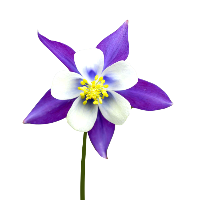
Columbine -
Mid-tone & Cool
Colour Flower

Hellebore -
Deep & Cool
Colour Flower

Buttercup -
Light & Warm
Colour Flower

Marigold -
Mid-tone & Warm Colour Flower

Rudbeckia -
Deep & Warm
Colour Flower
To discover it easier, without booking personalised color analysis, take our 2-minute quiz:
You can take the test before reading the rest of the article, or alongside it, as it will give you a better understanding of what this whole blog post is about.
But before diving into which colours generally make up the poetic style, let’s take a look at what the poetic clothing style is and where it comes from
What Is Poetic Clothing Style?
The poetic clothing style is, at its core, a blend of classic tailoring and British country style, infused with a complex romantic undercurrent. This combination was especially popular in the past, which is why the aesthetic is often associated with vintage fashion, though in a softer, less rigid form, just like here:

As you can see, the colour palette for this style is muted and soft. However, it’s worth mentioning that even soft, muted colours can make you look more tired if they are slightly too warm or too cool for your unique complexion.
But let’s review the general colour palette for this unique wardrobe style before adding more important colour analysis details.
Read also:
Which Colour Palette Can You Use in Poet Clothing Style?
Color palette for poet clothing style includes the shades that feel weathered, literary, and emotionally soft:

Think of shades that seem to have aged beautifully, like the pages of a well-loved book with a delicate sprig of heather, lavender, or a pressed poppy hidden between them.
We can split the poet style colour palette into a few groups depending on how each colour functions within the aesthetic:
Core Poet Style Colours
These are the foundation shades that define the aesthetic. If you're building a poet-inspired wardrobe from scratch, start here:
Parchment white and ivory — not the stark, bright white of modern minimalism, but softer, aged whites that feel warm and worn-in. Think antique lace, old letters, and candle-lit rooms.
Stone, oat, and warm grey — the great neutrals of the poet wardrobe. These shades ground the look without competing for attention. They work across every season and layer effortlessly with everything else in this palette.
Ink black and charcoal — depth without harshness. Poet style uses black sparingly and always in its softer, more complex forms — faded, slightly dusty, never high-gloss or sharp.
Sepia brown, cocoa, and chestnut — the palette's warmest anchors. These tones carry a vintage, leather-like quality that immediately reads as literary and considered.
Washed navy — classic but gentle, like faded book covers or an old school blazer that's been worn for years. Navy in its softest, most faded form is one of the most versatile shades in this aesthetic.
Nature-Leaning Accent Colours
Borrowed from British countryside landscapes, old gardens, and overcast skies, these accent colours bring the poet palette to life without ever feeling bold or trend-driven:
Moss green, olive, and sage — perhaps the most characteristic colours of the poet aesthetic. These greens feel earthy, literary, and timeless. They work as both statement pieces and quiet accents.
Muted forest green — deeper and more grounded than sage, forest green carries a dark romantic quality that suits the more dramatic end of the poet aesthetic.
Clay, rust, and soft terracotta — warm, autumnal, and never loud. These shades work particularly well for warm colour types and add quiet richness to the palette.
Foggy blue, slate, and rain-sky grey — cool, atmospheric, and distinctly British. These shades evoke misty mornings and old coastal towns and they are perfect for cool colour types especially.
Romantic Undertones
Used sparingly, these shades add emotional depth and a quiet femininity to the poet aesthetic without tipping into sweetness or sentimentality:
Dusty rose and antique blush — not candy pink, but the muted, slightly greyed rose of dried flowers and old watercolours.
Muted plum and dried fig — rich but restrained. These deeper romantic tones work beautifully as accent colours in scarves, bags, or layering pieces.
Faded lavender and heather — delicate without being precious. These shades carry a wild, natural quality that suits the poet aesthetic perfectly.

What Colours You Should Avoid In Poet Style
Understanding what poetic style doesn't include is just as useful as knowing what it does. The aesthetic deliberately steers away from:
Neon and overly saturated colours — anything that reads as modern, bright, or attention-seeking sits outside this palette entirely.
Read also:
High-contrast colour blocking — the poet aesthetic is about harmony and quiet layering, not bold colour statements.
Trend-driven brights — if a colour feels of-the-moment, it probably doesn't belong here. The poet palette is built to feel timeless, not current.
So we've summed up what colours are best to wear and not to create this inspirational poet look. But here's the question: How to make it feel like your style? Of course, via choosing the colours that your natural color palette includes.
Poet Wardrobe Styles For Different Complexions and Color Types
As mentioned earlier, at Zazu Feu we use Colour Flowers to represent individual colouring and beauty. There are two main groups: Colour Flowers with warm undertones and Colour Flowers with cool undertones.
Let’s take a closer look at which shades in the poetic style colour palette would suit you best, depending on your natural colouring.
Warm Colour Flowers (Warm Undertone)
Buttercup | Marigold | Rudbeckia

For the warm Zazu Feu Colour Flowers, the poetic clothing style centres on neutral shades enriched with a generous presence of natural accents: warm greens, neutral greyish blues, soft oranges, and calm, complex reds.
Buttercup benefits most from leaning into lighter tones. Very dark or overly complex warm shades are best avoided.
Rudbeckia, in contrast, should steer away from sunlit light greens and yellows, favouring deeper, more grounded hues.
Marigold looks best in mid-tone shades — neither too light nor too dark — with a clear emphasis on warmth rather than brightness or depth.

Cool Colour Flowers (Cool Undertone)
Periwinkle | Columbine | Hellebore

These colour types sit on the cooler side, making the palette slightly more nuanced. For them, poetic style works best when grounded in neutral shades, complemented by romantic accents such as forest greens, lavenders, and soft blues.
Periwinkle can move into almost translucent, fairy-like pastels, embracing lightness and delicacy.
Hellebore thrives in a range from mid-tones to the deepest shades, reaching colours so dark they verge on black — but never quite are.
Columbine is most harmonious in the middle ground, finding poetic inspiration in tones reminiscent of clear, cool waters.

Read also:
We can't recommend colour analysis enough for helping you make the poetic style feel more like your own. By finding your best colour palette, you'll be able to create outfits, parts of which not only work well with each other but, most importantly, with your complexion too.
It's very easy to start. All you need to do is take our free quiz as your first step to see what possible type you might be. You can also send us your photos by choosing one of our personalised colour analysis services. This way you'll discover not only your colouring, but also loads of useful information about your hair colour and make-up choices too.
You can get started by filling in the submission form. We work with clients across the UK and worldwide.
Discover our colour analysis services here:
Zazu Feu is a colour analyst based in the UK, offering online colour analysis using the unique Colour Flowers system. If the seasonal system has left you with more questions than answers, the Colour Flowers might be exactly what you're looking for.
Frequently Asked Questions
What is a poet outfit for women?
A feminine poet outfit typically combines soft, flowing fabrics with classic, slightly antiquated shapes: a lace-collar blouse, a midi skirt in muted olive or stone, ankle boots, and a long cardigan or cape. The key is that nothing feels too new, too sharp, or too on-trend. Everything should look as though it has a quiet history so the right color is very important. Which is why we recommend color analysis to discover which shades and tones suit your skin, hair and eye color.
What do poets wear? The poet outfit explained
The poet aesthetic is built on romantic, literary dressing: flowing blouses, wide-leg trousers, long coats, linen, velvet, and vintage-inspired tailoring. Soft layering is key: a worn-in blazer over a loose shirt, or a knitted vest over a billowing sleeve. The silhouette tends towards the relaxed and considered rather than structured or fitted. The color should be considered too. It's best to go for soft, muted shades of your signature color palette that you can find with Zazu Feu's color analysis.
How do you dress like a poet?
Start with your neutrals: ivory, stone, warm grey, or washed navy as your base. Each of us has our own best neutrals so it's highly recommended to discover your colour analysis type by booking professional colour analysis service or taking the quiz. Layer in nature-inspired accents like moss green, sepia brown, or dusty rose. Choose fabrics that have texture and softness: linen, cotton, wool, velvet. Avoid anything synthetic, shiny, or brightly coloured. Add one considered accessory: a vintage brooch, a leather satchel, a silk scarf.

