What Colours Were Popular in the 1990s? 1990s Fashion Color Guide

Updated: Jul 1

Welcome to the iconic 90s!
From minimalism to grunge, slip dresses to denim, it was a decade that made style look carefree with a sense of attitude and confidence. Unlike the bold chaos of the 2000s, the 1990–2000 era leaned into a more refined palette and felt like a breath of fresh air after the avant-garde energy of the previous decade.
Of course, like any era, the 90s had its own distinct colour palette. If you love vintage or second-hand shopping, understanding these colours can help you choose pieces that not only capture that 90s aesthetic but also genuinely flatter you. Because the goal isn’t just to wear clothing from past decades, it’s to find pieces that matches your complexion, so your outfits feel both authentic and modern.
Let’s break it down.
The Iconic 1990s Colour Palette at a Glance
Before we go deeper, here are the colours that defined the decade:

Early 1990s (1990–1995) Porcelain, silver, charcoal, grey, taupe, soft blue, black, and navy
Mid-1990s (1995–1997) Brown, denim blue, rust orange, warm burgundy, khaki, oak moss green, earth yellow, and soft olive green
Late 1990s (1997–2000) Deep plum, vibrant purple, charcoal, fuchsia, silver, dusty pink, electric lime, and wine red
Now let's look at each era in detail, including which celebrities wore them, and which colour types they suit best.
Read more:
The Early 90s (1990–1994): Minimal, Cool, and Understated Color Palette
At the start of the decade, fashion was all about minimalism and simplicity, and it’s no wonder, as it followed the excess of 80s fashion, with its bold silhouettes, padded shoulders, and dramatic styling. For 90s style, think clean lines, slip dresses, and a muted, almost monochromatic palette.
Popular colours included:
Grey — the defining neutral of early 90s minimalism. Not a harsh charcoal or a soft dove, but a mid, almost chalky grey that appeared in everything from oversized blazers to slip dresses. It replaced the bright primaries of the 80s almost overnight.
Black — minimal, architectural, and utterly serious. Think Calvin Klein and Helmut Lang: black as a statement of restraint rather than drama.
White and ivory — worn as stark contrast pieces or head-to-toe monochromatic looks. Clean white shirts tucked into simple trousers became a supermodel off-duty uniform.
Navy — quiet and classic. A softer alternative to black that worked across every silhouette of the era.
Taupe and stone — warm but muted neutrals that sat somewhere between beige and grey. These tones felt expensive and unfussy, especially in cashmere and soft jersey.
Soft denim blue — not acid wash, not deep indigo, but a faded, worn-in mid-blue. The Canadian tuxedo — denim on denim — became an early 90s staple, worn belted and layered with a blazer.
Who Wore Early 1990s Colours Best?

Fashion icons of this era:
Cindy Crawford,
Naomi Campbell,
Christy Turlington,
Princess Diana,
Jennifer Aniston as Rachel Green.
Which Colour Types Suit Early 90's Shades?
Early 90's shades work well on many, regardless of undertone, as they feel safe and neutral. When wearing neutrals, it’s important to consider the level of contrast in your complexion, so you can balance and enhance it.
For example, if your contrast is high (think dark hair, dark eyes, fair skin, or light hair with dark eyes), it’s best to combine light and dark shades within one look — like black with white or navy with soft blue.
If your contrast level is low, opt for combinations with less depth difference: soft blue with taupe, or black with navy.
I know it’s often said that those with fair or very light colouring and low contrast should avoid black, but I also know how unrealistic that can be! The truth is, black may not be your best dark shade. If you’re a Periwinkle or Buttercup, for example, a dark navy or a rich brown may already give you enough depth.

Periwinkle -
Light & Cool
Colour Flower
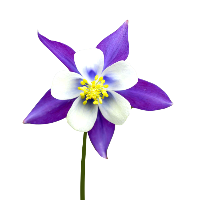
Columbine -
Mid-tone & Cool
Colour Flower

Hellebore -
Deep & Cool
Colour Flower

Buttercup -
Light & Warm
Colour Flower

Marigold -
Mid-tone & Warm Colour Flower

Rudbeckia -
Deep & Warm
Colour Flower
Curious what it all means?
Try our Free Colour Analysis Quiz to find the colours that suit your skin tone and make you truly glow. It only takes a few minutes:
Read more:
That said, at Zazu Feu, we believe everyone should know how to wear black. It’s not easily replaceable because other shades carry a different feel, a different energy. Even the darkest grey doesn’t quite have the same effect. That’s why we’ve created guide books for each Colour Flower, explaining in detail how to wear black in a way that doesn’t make you look too pale or drained, even if it’s not naturally in your palette.
As for the rest of the neutrals, a simple rule applies:
if your undertone is warm, choose warmer versions (like a warm taupe), and if your undertone is cool, opt for cooler variations.
The Mid-90s (1994–1997): Grunge, Earthy, and Muted Colour Palette
As the decade progressed, grunge and casual styling took over. The palette became more earthy, relaxed, and intentionally undone.
Popular colours included:
Olive green — earthy, slightly military, grunge. Gwen Stefani blended punk, ska and streetwear influences, pairing baggy khakis and crop tops in a way that made utilitarian tones feel deliberately cool. Olive appeared everywhere from oversized army jackets to slip-on canvas shoes.
Khaki and army green — borrowed from military surplus and worn with studied nonchalance. These muted warm greens grounded the grunge palette in something practical and real.
Brown and chocolate — a warm, earthy brown that began its slow takeover in the mid-90s, long before it became the defining colour of the 2000s. Think suede boots, brown leather belts, and caramel-toned knits.
Burgundy and deep wine — rich, slightly moody, and quietly rebellious. Worn as velvet slip dresses, knitted cardigans, or chunky Doc Marten laces. It had the depth of red with none of the brightness.
Rust and burnt sienna — warm, autumnal tones that worked beautifully against faded denim and worn leather. More muted than the terracotta of the 2000s, but in the same tonal family.
Faded denim blue — indigo worn until it almost disappeared. Distressed denim and baggy jeans became signature pieces of the era's most influential style figures.
Plaid and flannel tones — not one colour exactly, but the combination of red, black, green and brown in plaid flannel became so synonymous with the era it functions as a colour story of its own.
Who Wore Mid 1990s Colours Best?

Fashion icons of this era:
Kate Moss,
Courtney Love,
Drew Barrymore,
Winona Ryder,
Gwen Stefani,
Natalie Portman.
Which Colour Types Suit Mid 90's or Grunge Shades?
These tones are ideal for those with a warm undertone and muted colouring. If your features are soft, earthy, or slightly golden, this palette will feel harmonious. For example, if your colour type is Rudbeckia, you’ll look especially radiant in these kinds of shades that are rich in warmth and depth.
However, if you find yourself drawn to this style against the norms — not for harmony or conventional beauty (we’ve explored this in our post Undertone and Hair Colour) — and you have a cool undertone, these shades may feel noticeably clashing on you.
Zazu Feu is about harmony, but it’s not about changing who you are or going against your character. In fact, one of the biggest benefits of knowing your colour type is having the choice: you can lean into harmony, or intentionally create contrast — whether you want to look like an impressionist painting or something more avant-garde that reflects your personal vibe.
If you’re aiming for a more cohesive look but have a cool undertone, try wearing these shades away from the face and balancing them with your own neutrals.
The Late 90s (1997–2000): Sleek, Feminine, and Subtly Polished Colours
Towards the end of the decade, fashion became more refined and slightly more feminine. Think satin fabrics, slip dresses, and a return to a more polished silhouette.
Popular colours included:
Black — returned in a more polished, feminine form. No longer the oversized blazer of minimalism but the satin slip dress, the fitted polo neck, the tailored trouser. Black became elegant rather than austere.
Ivory and cream — softer than stark white and infinitely more wearable. Ivory satin became the fabric and colour of late-90s evening dressing, from red carpets to graduation parties.
Dusty pink — not bubblegum, not candy, but a soft, slightly greyed-out pink that felt grown-up and quietly feminine. Think Gwyneth Paltrow's 1999 Oscars gown.

Deep plum and aubergine — rich, cool-toned purples that appeared in velvet, satin and jersey. They had the glamour of jewel tones without the brightness.
Wine and deep berry — a recurring thread across the whole decade, deepening and becoming more polished in these final years.
Soft metallics — silver particularly, in its softest, most wearable form: slip dresses, strappy heels, and evening bags. Not the harsh shine of disco but a muted, almost pewter-toned gleam.
Camel and biscuit — making an early appearance before their full 2000s dominance. The camel trench coat began appearing in these final years of the decade as an aspirational wardrobe staple.
Read more:
Plus, streetwear and sportswear brought such vivid shades as: fuchsia, electric lime, vibrant purple, hot coral and bright teal.
Who Wore Late 1990s Colours Best?

Fashion icons of this era:
Gwyneth Paltrow,
Jennifer Lopez,
Carolyn Bessette-Kennedy,
Naomi Campbell, and
Victoria Beckham as Posh Spice.
Which Colour Types Suit Late 90's Colors?
This palette works beautifully on those with cool to neutral undertones and medium to high contrast. Dusty pinks and soft plums are especially flattering on softer colour types like Periwinkle and Columbine, while deeper shades like wine can suit those with more contrast, such as Hellebore.
For very warm types, some of these shades may feel slightly cool — in that case, opting for warmer versions (like rose or warmer reds) can make all the difference. Or wear them away from your face and match them with your neutrals.
Overall, from what I’ve seen in vintage shops, there’s a much wider selection of pieces from this exact period — which feels like a small victory for all of us with cool undertones who struggle to find anything truly cool-toned in current fashion.
Another thing I’ve noticed is that in the 90s, genuinely cool-toned makeup was everywhere — something that’s surprisingly hard to come by today.

What’s labelled as “cool-toned” now often still leans slightly warm or neutral. Personally, I’m so cool-toned that even slightly warm lipsticks read very warm on me.
We’ve explained how to find the right red lipstick in more detail here, if you’re interested.
How to Wear 90s Colours Today
The key to wearing 90s vintage successfully — whether you're shopping second-hand, reviving pieces from your own wardrobe, or buying into the 90s revival on the high street — isn't about copying the looks exactly. It's about choosing the right colours for your natural colouring.
If you're a cool colour type (Periwinkle, Columbine, Hellebore): your decade is the early and late 90s. The cool minimalist neutrals — grey, navy, black and white — and the late 90s dusty pinks, plums and soft metallics were made for you. The earthy mid-90s grunge palette will likely feel heavy and muddy near your face. If you love the aesthetic, wear it as a jacket or bag rather than close to your skin.
If you're a warm colour type (Buttercup, Marigold, Rudbeckia): the mid-90s grunge palette is your sweet spot. Olive green, rust, khaki, burgundy and chocolate brown will make your skin glow. The cool early 90s minimalist palette will feel cold and stark on you but camel, warm ivory and faded denim blue from across the decade can work beautifully for warm types with softer colouring.
When shopping vintage or second-hand, ask yourself:
Does this colour enhance my skin, or does it make me look tired?
Is it too bright, too dark, or too saturated for my natural colouring?
Can I style it in a way that feels modern without losing what made it special?
Even the boldest Y2K colour can look incredibly chic when it aligns with your natural palette. And even the most dated-looking piece can be transformed when you choose the right version of it for your colouring. You can discover what colouring you have by booking personalised colour analysis service with us.
Frequently Asked Questions
What were the most popular colors in the 1990s?
The 90s spanned three distinct color eras: the cool minimalist palette of the early 90s (grey, black, white, navy, taupe, soft denim blue), the earthy grunge palette of the mid-90s (olive green, khaki, rust, burgundy, chocolate brown, faded denim), and the sleek feminine palette of the late 90s (black, ivory, dusty pink, deep plum, wine, soft metallics).
What is the 90s minimalist colour palette?
The early 90s minimalist palette is characterised by cool, muted neutrals with very little colour. Key shades include grey, black, white, ivory, navy, taupe and soft denim blue. It was heavily influenced by designers like Calvin Klein and Helmut Lang, and by the supermodel era's preference for clean, understated dressing.
Is olive green a 90s colour?
Yes, olive green is one of the most defining colours of the mid-90s grunge era (roughly 1994–1997). It appeared across army jackets, cargo trousers, canvas shoes and accessories, borrowed from military surplus and worn with studied nonchalance. It's currently undergoing a significant revival as 90s nostalgia continues to grow.
What colours were popular in 90s grunge fashion?
90s grunge fashion was defined by olive green, khaki, burgundy, rust, chocolate brown, faded denim blue and plaid flannel tones. The palette was deliberately earthy, worn and anti-glamour — a direct reaction to the polished excess of 80s fashion.
Which 90s colours suit warm skin tones?
Warm skin tones are best served by the mid-90s grunge palette: olive green, khaki, rust, burgundy, chocolate brown and faded denim. From the late 90s, warm types can also wear camel and warm ivory beautifully. The cool early 90s minimalist palette of grey and stark white tends to feel cold and draining on warm colouring.
Which 90s colours suit cool skin tones?
Cool skin tones shine in the early 90s minimalist palette — grey, navy, black, white and soft denim blue — and in the late 90s feminine palette: dusty pink, deep plum, wine, ivory and soft silver metallics. The earthy mid-90s grunge palette of olive and rust tends to feel heavy and muddy on cool colouring.
Not sure whether your colouring is warm or cool? Take our free colour analysis quiz to discover your Colour Flower and find out exactly which part of the 90s palette belongs to you.