What Colours Were Popular in the 2000s? Y2K & 2000s Fashion Colour Guide

Updated: Jul 15

The 2000s were… a lot. From low-rise jeans to glossy fabrics and bold styling choices, it was a decade that wasn't afraid of standing out. But beyond the trends themselves, the colour palettes of the 2000–2010 era are surprisingly distinct and when understood properly, they can actually work beautifully with your natural colouring.
If you love vintage or second-hand shopping, or if Y2K fashion keeps pulling you back in, knowing which colours dominated this decade can help you choose pieces that not only feel nostalgic but also truly flatter you.
Here's a complete breakdown of 2000s colours by era and exactly which ones will work for your colouring.
The Iconic 2000s Colour Palette at a Glance
Before we go deeper, here are the colours that defined the decade:

Early 2000s / Y2K (2000–2005) Baby pink, icy blue, lilac, silver, turquoise, hot pink, crisp white, bubblegum pink, electric blue, and chrome metallics
Mid-2000s (2005–2007) Chocolate brown, camel, olive green, mustard, burnt orange, warm gold, khaki, and terracotta
Late 2000s (2007–2010) Black, charcoal, deep purple, burgundy, navy, sapphire, emerald, and rich jewel tones
Now let's look at each era in detail, including which celebrities wore them, and which colour types they suit best.
Read more:
The Early 2000s (2000–2005): Y2K Colors, Glossy Brights, and Playful Pastels
The early 2000s are having a massive revival right now and for good reason. The Y2K colour palette is bold, optimistic, and unapologetically fun.
At the start of the decade, fashion leaned heavily into shine, contrast, and bold colour. Think pop culture influence, Y2K aesthetics, and a slightly futuristic feel that reflected the cultural moment of entering a new millennium.
The Y2K Colour Palette
The defining shades of the Y2K era were:
Baby pink — the most iconic Y2K colour of all. Paris Hilton built an entire identity around it. Soft, sweet, and immediately nostalgic.
Bubblegum pink — a brighter, more saturated version than baby pink. Think Legally Blonde, Destiny's Child, and early Britney Spears.
Icy blue and baby blue — a cooler, more ethereal tone that appeared everywhere from denim washes to eyeshadow.
Lilac and soft purple — one of the most distinctly Y2K colours, appearing in everything from velour tracksuits to eyeshadow palettes.
Silver and chrome — the futuristic edge of Y2K fashion. Metallics were everywhere: silver mini skirts, chrome accessories, and iridescent fabrics.
Hot pink — vivid, warm, and high energy. Beyoncé's early 2000s looks are the blueprint here.
Turquoise — a bright, warm-leaning blue-green that felt fresh and tropical.
Crisp white — low-rise white jeans, white crop tops, white everything. Clean, bright, and uncompromising.
Electric blue — not the soft blue of later decades, but vivid, saturated electric blue that demanded attention.
Who Wore Y2K Best?
To make the following information more clear let me introduce you to Zazu Feu's color analysis system consisting of six florals:

Periwinkle -
Light & Cool
Colour Flower
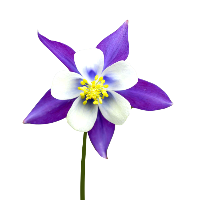
Columbine -
Mid-tone & Cool
Colour Flower

Hellebore -
Deep & Cool
Colour Flower

Buttercup -
Light & Warm
Colour Flower

Marigold -
Mid-tone & Warm Colour Flower

Rudbeckia -
Deep & Warm
Colour Flower
Discover your best shades with the free colour analysis quiz:
Read more:
Paris Hilton — the queen of pinks. Her light colouring (Buttercup in the Zazu Feu system) made soft shades look super glamorous.
Destiny's Child / Beyoncé — warm, rich colouring that made hot pinks and bold brights sing. A classic Marigold wearing her colours instinctively.

Britney Spears — warm colouring that suited the playful, candy-bright side of the Y2K palette. Her natural warmth made bubblegum pink and warm white feel luminous rather than harsh.
Christina Aguilera — higher saturation colouring that carried the bold, graphic side of Y2K extremely well.
Which Colour Types Suit Y2K Shades?
The cool, icy side of the Y2K palette — baby pink, lilac, icy blue, silver — works best on cool undertones with some brightness. If your colouring can handle clarity rather than softness, these tones can look fresh.
Very light, icy pastels look especially striking on lighter, cooler colour types such as Periwinkle, while brighter tones like hot pink and turquoise suit those with more contrast and vibrancy, particularly Marigold and Columbine.
If your colouring is softer or more muted, these colours can feel too sharp or artificial close to the face. Wear them from the waist down, or balance them with softer neutrals near your skin.
The Mid-2000s (2005–2007): Chocolate Brown, Boho Earthy Tones, and Warm Glamour
As the decade progressed, the palette shifted dramatically. The glossy, futuristic brightness of early Y2K gave way to something warmer, more grounded, and more bohemian.
This mid-decade shift was driven by the rise of boho chic that was worn by Sienna Miller, Kate Moss at Glastonbury, and the explosion of celebrity gossip culture that made "effortless" dressing aspirational.
The Mid-2000s Colour Palette
Chocolate brown — possibly the most defining colour of this era. Brown was everywhere: brown leather handbags, chocolate brown eyeshadow, brown suede boots, and countless brown-toned denim washes. It replaced black as the neutral of choice.
Camel and tan — warm, luxurious, and effortlessly expensive-looking. The camel trench coat became a staple of the mid-2000s aspirational wardrobe.
Read more:
Olive green — earthy, slightly military, and utterly bohemian. Paired with brown leather and gold jewellery, olive green defined the boho chic moment.
Mustard and golden yellow — a warm, rich yellow that felt autumnal and grounded rather than sharp or candy-like.
Burnt orange — particularly prominent in the earlier part of this period, burnt orange appeared in everything from jersey wrap dresses to suede accessories.
Warm gold — not the cool silver of Y2K, but rich, warm gold. This mid-decade shift from silver to gold jewellery tracks almost exactly with the shift in the clothing palette.
Khaki and army green — borrowed from utility and military aesthetics, these muted warm greens grounded the boho palette in something practical and real.
Terracotta — a dusty, reddish-orange that appeared in pottery, home décor, and eventually clothing as the decade moved toward its earthier phase.
Who Wore Mid-2000s Colours Best?

Victoria Beckham — deep, warm, richly glamorous colouring (Rudbeckia) that made chocolate brown and warm gold look extraordinarily polished. She practically invented the mid-2000s luxury earthy aesthetic.
Sienna Miller — warm, golden, light colouring (Buttercup or Marigold) that made boho palette shades look completely natural and effortless.
Kate Moss — a soft type that allowed her to move between the earthy mid-tones and the cooler shades with equal ease.
Jessica Simpson — warm, bright, light colouring that made the golden and honey tones of this era look luminous and alive.
Which Colour Types Suit Mid-2000s Shades?
These tones are especially flattering on warm undertones. If your colouring leans golden, peachy, or rich, this part of the decade offers enormous wearable potential.
Marigold, Rudbeckia, and sometimes Buttercup carry these shades beautifully, as they echo the natural warmth and depth in warm-toned features.
For cooler or lighter colourings, these tones can feel heavy or draining close to the face. If you love them — and they're genuinely beautiful colours — try incorporating them through accessories, bags, or shoes rather than clothing near your face.
Discover your best shades with the free colour analysis quiz:
The Late 2000s (2007–2010): Dark, Sleek, and High-Contrast Jewel Tones
Towards the end of the decade, fashion took on a sleeker, more minimal feel with a slightly edgy undertone. The boho excess of the mid-2000s gave way to something sharper, more grown-up, and more deliberately polished.
This shift was driven partly by the global financial crisis of 2008, which prompted a move toward quality over quantity and classic over trendy and partly by the rise of a new generation of style icons who favoured a more sophisticated aesthetic.
The Late 2000s Colour Palette
Black — always present in fashion, but the late 2000s made black the dominant neutral in a way that felt sleek and urban rather than gothic or edgy.
Charcoal — a softer, more versatile version of black that worked across tailoring, knitwear, and everyday dressing.
Deep purple and plum — rich, complex, and slightly mysterious. Deep purple was one of the most prominent statement colours of 2008–2010.
Burgundy and wine — dark, warm-adjacent reds that felt luxurious and grown-up rather than bold and playful.
Navy — the classic alternative to black, navy became a wardrobe staple in its most refined, deep form.
Sapphire blue — a deep, rich blue with cool undertones that appeared in both clothing and accessories.
Emerald green — rich, jewel-toned green that felt opulent and deliberate.
Oxblood — a dark, slightly warm red-brown that bridged the earthy mid-2000s palette with the darker late-decade direction.
Who Wore Late 2000s Colours Best?

Kim Kardashian — deep, high-contrast, cool-warm colouring (Hellebore) that made the sleek, high-contrast late 2000s palette look effortlessly powerful.
Megan Fox — cool, deep, and strikingly high-contrast. The deep jewel tones and dark neutrals of this era were made for her colouring.
Anne Hathaway — cool undertones with real depth that carried navy, emerald, and deep purple with exceptional elegance.
Leighton Meester (Blair Waldorf) — the fictional character that defined late 2000s aspirational dressing: jewel tones, structured tailoring, and a cool-toned polish.
Which Colour Types Suit Late 2000s Shades?
This palette is ideal for those with higher contrast and deeper colouring. If you naturally have darker features or can handle strong contrast, these colours can look incredibly polished and powerful.
Hellebore and Rudbeckia carry the deepest shades with the most authority. Cool, deep shades like burgundy and navy are particularly flattering on cooler complexions (Hellebore, Columbine), while richer jewel tones like emerald and sapphire can work across both cool and slightly warm colourings depending on their intensity.
For lighter or softer types, these shades can feel overpowering when worn head-to-toe. The key is to wear them further from the face — as trousers, skirts, or shoes — and balance with lighter shades near your skin.
Find your unique signature colour palette for free:
Is Y2K Fashion Coming Back?
Yes, and it never fully left. The Y2K revival has been building since the early 2020s and shows no signs of slowing down. Low-rise silhouettes, butterfly clips, velour tracksuits, and the distinctive early 2000s colour palette of baby pink, silver, and electric blue are all back in various forms.
The difference now is that most people are approaching Y2K with more selectivity, taking the elements that work for their personal style and colouring rather than recreating the full look wholesale. That's where colour analysis becomes genuinely useful: knowing your Colour Flower means you can identify exactly which part of the Y2K palette is yours to own.
How to Wear 2000s Colours Today
The key to wearing 2000s vintage successfully whether you're shopping second-hand, reviving pieces from your own wardrobe, or buying into the Y2K revival on the high street isn't about copying the looks exactly. It's about choosing the right colours for your natural colouring.
If you're a cool colour type (Periwinkle, Columbine, Hellebore): your decade is the early and late 2000s. The icy Y2K pastels, silver metallics, and deep late-2000s jewel tones were made for you. The earthy mid-2000s palette will likely feel heavy and draining — wear it as an accessory at most.
If you're a warm colour type (Buttercup, Marigold, Rudbeckia): the mid-2000s boho palette is your sweet spot. Chocolate brown, camel, mustard, and burnt orange will make your skin glow. The icy Y2K palette will feel cold and stark but hot pink, turquoise, and warm gold from the early 2000s can work beautifully for warm types with some brightness.
When shopping vintage or second-hand, ask yourself:
Does this colour enhance my skin, or does it make me look tired?
Is it too bright, too dark, or too saturated for my natural colouring?
Can I style it in a way that feels modern without losing what made it special?
Even the boldest Y2K colour can look incredibly chic when it aligns with your natural palette. And even the most dated-looking piece can be transformed when you choose the right version of it for your colouring. You can discover what colouring you have by booking personalised colour analysis service with us.
Frequently Asked Questions
What were the most popular colours in the 2000s?
The 2000s spanned three distinct colour eras: the Y2K bright and icy palette of the early 2000s (baby pink, silver, electric blue, lilac), the earthy boho palette of the mid-2000s (chocolate brown, camel, olive green, burnt orange), and the sleek jewel-tone palette of the late 2000s (black, deep purple, navy, burgundy, emerald).
What is the Y2K colour palette?
The Y2K colour palette is characterised by icy pastels, bright candy colours, and metallic silver. Key shades include baby pink, bubblegum pink, lilac, baby blue, turquoise, hot pink, silver, crisp white, and electric blue. It was heavily influenced by pop culture, music videos, and a futuristic optimism about the new millennium.
Is chocolate brown a 2000s colour?
Yes, chocolate brown is one of the most defining colours of the mid-2000s (roughly 2005–2008). It replaced black as the dominant neutral of the era and appeared across clothing, accessories, makeup, and home décor. It's currently undergoing a significant revival as 2000s nostalgia continues to grow.
What colors were popular in Y2K fashion?
Y2K fashion was defined by baby pink, silver metallics, lilac, icy blue, hot pink, turquoise, bubblegum pink, crisp white, and electric blue. The palette was characterised by brightness, contrast, and a slightly futuristic quality that reflected the cultural moment of entering a new millennium.
Which 2000s colours suit warm skin tones?
Warm skin tones are best served by the mid-2000s palette: chocolate brown, camel, mustard, burnt orange, olive green, warm gold, and terracotta. From the Y2K era, warm types do well in hot pink, turquoise, and warm gold. The icy, cool side of the early 2000s palette tends to look cold and stark on warm colouring.
Which 2000s colours suit cool skin tones?
Cool skin tones shine in the Y2K palette — baby pink, lilac, icy blue, silver, and electric blue — and in the late 2000s jewel tones: navy, deep purple, burgundy, sapphire, and emerald. The earthy mid-2000s palette of brown and mustard tends to feel heavy and draining on cool colouring.
Not sure whether your colouring is warm or cool? Take our free colour analysis quiz to discover your Colour Flower and find out exactly which part of the 2000s palette belongs to you.
Zazu Feu is a UK-based colour analysis service offering three personalised online packages — Bloom, Blossom, and Flourish — each designed to help you discover the colours that make your complexion glow.